
The Parent’s Role in Education and How Online Learning is Bridging the Gap
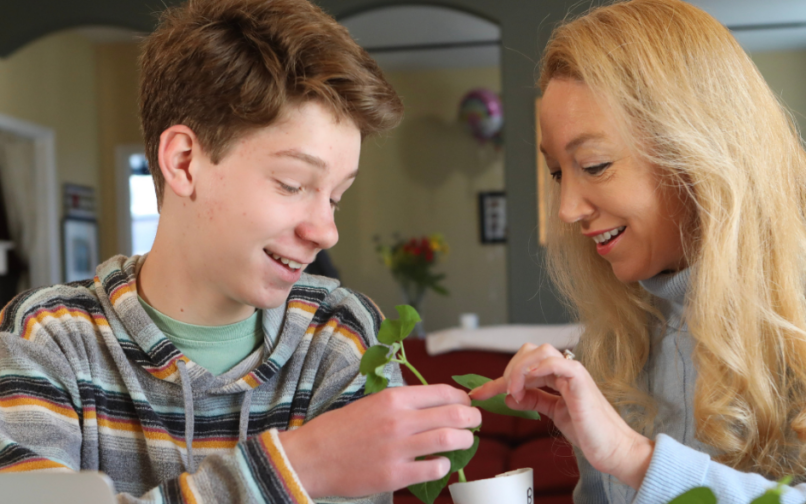
For many families, education is no longer confined to classroom walls. It has become a shared, day-to-day experience that reaches homes, routines, and everyday moments. Parents and Learning Coaches, family members or guardians who support students’ learning at home, are increasingly active partners in education, working alongside teachers to support learning that extends well beyond textbooks or screens are increasingly active partners in education, working alongside teachers to support learning that extends well beyond textbooks or screens.
This shift toward collaborative learning has shaped more than academic outcomes at Cascade Virtual Academy, where family involvement is built into daily learning through structured support, shared routines, and ongoing communication between students, educators, and Learning Coaches.
Redefining Parental Involvement
Parental involvement has always been a cornerstone of student success, but modern learning models are reshaping what that involvement looks like. Rather than engaging only through parent-teacher conferences or nightly homework checks, families participating in online learning are involved in their child’s education daily.
This closer involvement gives parents greater insight into how their child learns best. They can see strengths emerge, recognize challenges earlier, and help nurture curiosity, persistence, and confidence in real time. Education becomes less about oversight and more about partnership and personalized guidance.
Personalization That Fits Real Life
At the heart of online learning is personalization. Every student learns differently, and adaptable education models are designed to balance those differences. Lessons and study time can often be scheduled around a family’s daily rhythm, making room for other meaningful activities.
Academic learning may take place alongside piano practice, science experiments in the kitchen, outdoor exploration, or volunteer projects in the community. Rather than interrupting education, these experiences reinforce it, helping students understand that learning does not stop when a lesson ends. Curiosity becomes something students carry with them throughout the day.
Building Independence and Responsibility
Personalized learning also encourages students to take ownership of their education. With support from parents, learning coaches, and teachers, students learn how to organize schedules, manage time, and track their own progress.
Many families establish consistent routines that balance and include live instruction, independent study, and enrichment activities. Over time, students develop essential life skills such as responsibility, self-motivation, and adaptability; important habits that support success far beyond graduation.
Where Online Learning Meets Real Connection
Even in an online learning environment, connection remains essential. Strong communities form through shared experiences that bring students, families, and educators together in person.
Local meetups, field trips, and seasonal events help bridge student’s virtual and physical worlds. Exploring science exhibits, hiking through state parks, or participating in community activities reminds students that learning is most powerful when it is shared with others.
Learning as a Family Experience
When parents are empowered to play an active role in their child’s education, learning becomes a family endeavor rather than a daily obligation. Students gain confidence and independence, parents gain insight and connection, and families create shared experiences rooted in growth.
The benefits extend well beyond academics. Collaborative learning environments foster curiosity, empathy, and a lifelong love of learning, outcomes that shape not only students, but entire families.
Back to BlogRelated Blog Posts

Building Healthy Habits with Cascade Virtual Academy Teacher...
At Cascade Virtual Academy (CVA), middle school students benefit from teachers who not only guide their […]
7 Reading Tips for K–12 Graders from an Oregon...
When learning routines allow for adaptability, students have space to grow as readers without the pressure […]
Your New School Year Starts Here: Everything You Need to...
A new school year is here, and we’re excited to welcome both new and returning families! […]